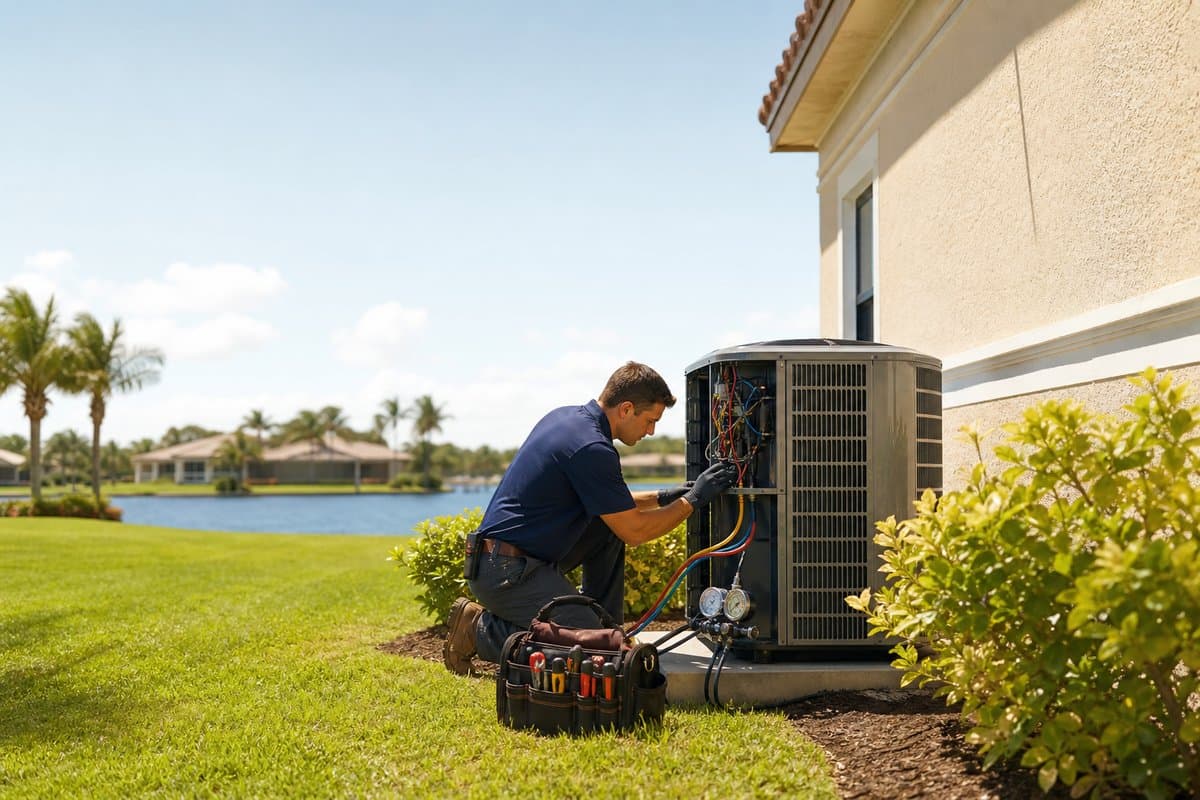
HVAC Maintenance in Tampa Bay: What Every Homeowner Needs to Know
Why HVAC Maintenance Matters More in Tampa Bay
Across most of the country, air conditioning is a warm-weather appliance. In Tampa Bay, it is an essential year-round system. From April through October, AC systems in Hillsborough, Pinellas, and Manatee County run almost continuously. That usage adds up to roughly 3,000 hours of operation per year in Florida versus about 1,200 hours for a comparable system in a northern climate.
More hours means more wear, more filter clogging, more coil buildup, and a higher chance of catching a small problem after it has already turned into an expensive repair. James Evans at Best Bay Services handles HVAC maintenance for homeowners throughout Tampa Bay. This guide covers what a professional tune-up includes, how often to schedule service, and the signs that your system needs attention before it fails.
What Does an AC Tune-Up Actually Include?
A preventive maintenance visit for a typical Tampa Bay central AC system covers several inspection and service tasks. Not every company includes all of these, so it is worth asking what a tune-up covers before booking.
Inspection and Testing
- Thermostat calibration check. A miscalibrated thermostat tells the system the home is cooler than it is, causing the unit to short-cycle or run inefficiently. Checking calibration is a quick step that can improve comfort and energy efficiency immediately.
- Refrigerant level check. Low refrigerant is a sign of a leak, not normal consumption. A system running low on refrigerant works harder for less cooling output and can freeze up the evaporator coil. Identifying low refrigerant early prevents compressor damage.
- Electrical connections and capacitors. Loose connections and failing capacitors are a leading cause of AC compressor failure. Inspecting and tightening connections during routine maintenance is far cheaper than replacing a compressor after it burns out.
- Drain line flush. In Tampa Bay's humidity, the condensate drain line removes a significant amount of moisture from the air every day. Algae grows in the drain pan and line, eventually causing clogs that back up into the air handler and cause water damage. A maintenance visit should include a drain line flush and pan cleaning.
Cleaning
- Evaporator coil cleaning. The evaporator coil inside the air handler collects dust, pollen, and debris over time. A dirty coil restricts airflow, reduces cooling capacity, and forces the system to run longer to reach the set temperature. Coil cleaning is one of the highest-impact maintenance tasks for Tampa Bay systems.
- Condenser coil cleaning. The outdoor unit's condenser coil needs to release heat efficiently. Florida dust, pollen, lawn debris, and cottonwood seed can pack the coil fins and reduce the system's ability to shed heat, causing the compressor to run hotter and fail sooner.
- Blower wheel and motor check. A dirty blower wheel reduces airflow throughout the home and can cause the evaporator coil to freeze. Inspecting and cleaning the blower improves system performance and prevents the secondary problems a frozen coil creates.
How Often Should Tampa Bay Homeowners Schedule AC Maintenance?
The standard recommendation for AC maintenance anywhere is once per year. In Tampa Bay, twice per year is the better choice given how hard systems run here.
The two best times are spring (March or April, before the heat peaks in June) and early fall (September or October, after summer's heavy use). Spring service prepares the system for its hardest months. Fall service catches any wear from the summer and helps the system handle the shoulder season efficiently.
Homeowners with older systems (10 years or more), systems running in especially humid areas like waterfront or lakefront properties, or rental properties where maintenance has been irregular should lean toward twice-yearly service regardless of age.
Warning Signs Your AC Needs Attention Now
Do not wait for a scheduled tune-up if any of these signs appear:
- Rooms that won't cool down. If one or more rooms stay significantly warmer than the thermostat setting, the system may have low refrigerant, a blocked duct, or an oversized or undersized unit for the space.
- Unusually high electric bills. A spike in your FPL or TECO bill during months when your usage pattern has not changed is a strong signal that the AC system is working harder than it should. This is often an early warning of coil buildup, low refrigerant, or a failing component.
- Water around the air handler. Condensate drain clogs cause water to back up into the drain pan and overflow. Water near your air handler, inside a closet, or on a ceiling below an attic unit means the drain line needs to be cleared immediately to prevent water damage.
- Warm air from the vents. If the system is running but not producing cold air, the refrigerant may be critically low or the compressor may have failed. This is not a maintenance issue at that point — it needs a service call.
- Unusual sounds. Grinding, squealing, or rattling from the indoor or outdoor unit usually indicates a mechanical component that needs attention. Catching it early typically costs far less than waiting until the part fails entirely.
- Short cycling. A system that turns on and off frequently without completing a full cooling cycle is often responding to a thermostat problem, a refrigerant issue, or an oversized system. Short cycling accelerates compressor wear.
What is the Lifespan of an AC System in Tampa Bay?
A well-maintained central AC system in Tampa Bay typically lasts 12 to 15 years. Systems that run without maintenance, in hard-water areas, or in coastal salt-air environments often fail closer to 10 years. The key difference is almost always the maintenance record. Coils that stay clean, drain lines that never clog, and refrigerant levels that stay topped up all contribute to a longer system life.
When a system is approaching 12 years old and needing repairs, it is worth having a conversation about repair versus replacement. A major repair on an aging system often makes less financial sense than investing in a new system with a warranty and better energy efficiency.
Schedule Your HVAC Maintenance in Tampa Bay
Best Bay Services provides AC maintenance and tune-up service throughout Tampa Bay including Brandon, Valrico, Riverview, Lithia, FishHawk, Sun City Center, Bradenton, Parrish, and surrounding communities. Call James Evans at (813) 416-8676 to schedule a maintenance visit before the next heat wave arrives.
Key Takeaways
- Tampa Bay AC systems run roughly twice as many hours per year as systems in northern climates, making maintenance twice as important.
- Twice-yearly tune-ups (spring and fall) are the right schedule for most Tampa Bay homes.
- Dirty coils, clogged drain lines, and low refrigerant are the three most common culprits behind poor AC performance.
- A well-maintained system lasts 12 to 15 years. Neglected systems often fail at 10 years or less.
Need Professional Help?
Let James handle it — call for a free estimate today.
Common Questions
Related Guides
The Florida Exterior Maintenance Checklist for Tampa Bay Homeowners
Florida's heat, humidity, and storm season demand a different exterior maintenance approach than the rest of the country. Here is the checklist Tampa Bay homeowners should run through every year.
The Month-by-Month Home Maintenance Schedule for Tampa Bay Homeowners
A practical maintenance calendar built for Tampa Bay's two-season climate: wet season from June through September and the dry, mild stretch from October through May. Use this schedule to stay ahead of Florida's biggest home maintenance challenges.

James Evans
Owner & Lead Technician
James has over 10 years of experience in home repair and maintenance throughout Tampa Bay. He founded Best Bay Services to bring honest, quality handyman work to local homeowners, landlords, and property managers.