Hurricane Season Home Prep for Tampa Bay Homeowners
Why Tampa Bay Homeowners Need to Take Hurricane Prep Seriously
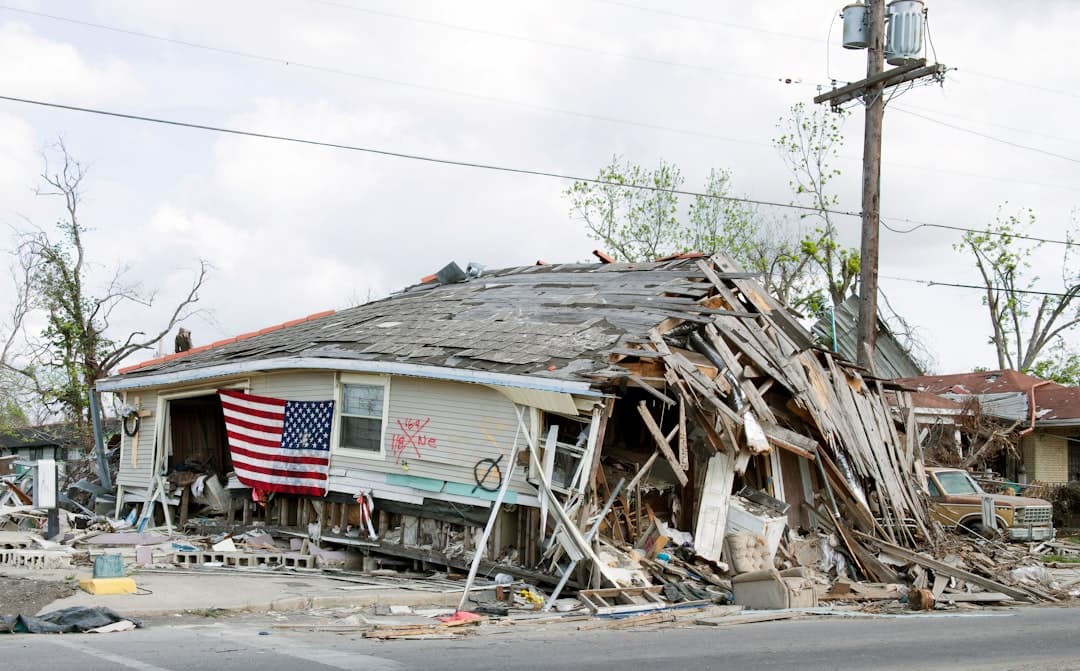
Tampa Bay sits at the top of a long, funnel-shaped bay that creates ideal conditions for dangerous storm surge during a major hurricane. The region went more than a century without a direct major hurricane hit before Helene and Milton in 2024, and that long quiet period created a population that -- despite growing awareness -- often underestimates storm risk. Hurricane season runs June 1 through November 30, with peak activity from August through October.
Home preparation before storm season is not about panic -- it is about removing known vulnerabilities so your home is as storm-ready as possible before a specific storm is in the forecast. At that point, focus belongs on evacuation decisions and your family's safety plan, not scrambling to fix things that should have been addressed months earlier.
Best Bay Services handles pre-season hurricane preparation work throughout Tampa Bay. James Evans and the Best Bay team address the exterior maintenance items that make homes more storm-resistant -- caulking, screen inspections, exterior hardware, and structural checks that homeowners often defer. This guide covers what those tasks are and why they matter.
Exterior Inspection: Where to Start
Walk your home's exterior perimeter and look for these conditions before storm season:
Caulking and Sealants
Failed caulk around windows, doors, sliding glass doors, and exterior penetrations allows wind-driven rain to enter wall cavities during tropical storms. Even a category one storm produces sustained winds of 74 miles per hour, which drives rain sideways through any gap. Inspect all exterior caulk joints and look for cracking, pulling away from the surface, or missing caulk entirely. Replace failed sections before storm season -- it is one of the most cost-effective protective measures a homeowner can take.
Soffit and Fascia Condition
Damaged, loose, or rotted soffits and fascia are among the most common sources of storm damage. Wind pressure during a hurricane works on any loose or compromised soffit panel, and once one lifts, wind enters the attic space and can peel the roof deck from the inside. Inspect all soffit panels for looseness, rot, or gaps. Repair or replace damaged panels before storm season.
Screen Enclosures
Screen enclosures are among the most storm-vulnerable features of a Florida home. Panels that are torn, loose, or have degraded spline are likely to fail during a tropical storm, and once panels tear, wind resistance across the frame increases dramatically -- raising the risk of frame damage. Inspect your enclosure for torn panels, sagging screen, and loose spline before storm season. Repair identified problems before a storm is approaching, not during the preparation window.
Fence Condition
Fence panels and posts that are already leaning, rotting, or improperly secured become projectiles in hurricane-force winds. Walk your fence line and look for leaning or wobbling posts, rotted boards, and gates that do not latch and swing freely. Reset posts and replace damaged boards before storm season.
Exterior Light Fixtures and Hardware
Exterior light fixtures, shutters, and hardware that are loosely mounted become projectiles in high winds. Inspect all exterior fixtures for secure mounting. Any fixtures that wobble or do not sit flush against the mounting surface should be resecured.
Tree and Landscape Preparation
Trees are one of the most significant sources of property damage in Tampa Bay hurricanes. Certified arborists (not handymen) handle structural tree work, but homeowners can do several things:
- Schedule professional tree trimming each spring before hurricane season to remove dead branches, reduce crown density, and address structural issues that put the tree at risk in high winds
- Remove or secure portable outdoor items: furniture, potted plants, grills, and other objects that can become projectiles should be moved inside or secured with straps before a storm approaches
- Identify which trees are close enough to your home to cause damage if they fall, and have an arborist assess them if you have concerns
Storm Shutters and Window Protection
Impact-resistant windows and storm shutters protect against wind and windborne debris, which is the primary cause of envelope failure during a hurricane. If your home does not have impact windows or approved shutters, options include:
- Accordion shutters: Permanent metal shutters that fold flat against the wall when not in use and close quickly before a storm. Installation requires a licensed contractor.
- Panel shutters: Removable aluminum or steel panels that mount over windows and doors. These require storage space and installation time before each storm.
- Plywood: A last resort when no other protection is in place. Use at minimum half-inch CDX plywood cut to size for each opening, secured with appropriately fastened hardware. Pre-cut and label panels before storm season so installation is straightforward when needed.
Garage Doors
Garage doors are the largest and weakest opening in most homes. Standard residential garage doors are not designed to resist hurricane-force winds. If your door lacks a wind load rating or bracing, it is a significant vulnerability. A reinforced garage door brace kit can be added to some doors -- consult a garage door professional for your specific door. In a storm with expected high winds, propping or bracing the door from inside adds some resistance if a rated door is not present.
Gutters and Drainage
Clean gutters before storm season so that heavy rainfall drains properly away from the foundation. Tropical systems can drop 10 to 20 inches of rain over 24 to 48 hours. Clogged gutters cause overflow that can work against foundations, saturate landscaping against the house, and create water intrusion pathways at the roofline. Annual gutter cleaning before June is a simple, affordable step that makes a real difference.
After the Storm: What Handymen Handle
Once a storm has passed and it is safe to assess damage, the post-storm repair list typically includes:
- Fence repair: post reset or replacement, board replacement, gate re-hanging
- Screen enclosure panel replacement and door hardware repair
- Drywall repair and patching from water intrusion
- Exterior caulking replacement at failed window and door joints
- Soffit and fascia replacement if panels are damaged or missing
- Pressure washing after storm cleanup to remove debris residue and mold that proliferates quickly on wet surfaces
Roofing, structural repairs, and major plumbing or electrical damage require licensed specialty contractors. A handyman handles the cosmetic and minor structural work that comes after the licensed trades have addressed the primary damage.
Schedule Your Pre-Season Prep Visit
Best Bay Services handles pre-hurricane season home preparation throughout Tampa Bay. A single visit can address exterior caulking, screen enclosure inspection and repair, fence stability checks, and soffit and fascia assessment. Call James Evans at (813) 416-8676 before storm season to get your home checked off the list. One visit now is worth far more than scrambling during a storm warning watch.
Key Takeaways
- Pre-season prep should happen before June: caulking inspection, screen enclosure assessment, fence stability, soffit and fascia check, gutter cleaning.
- Failed caulk around windows and doors allows wind-driven rain inside walls during even moderate tropical storms. Replace it before storm season.
- Screen enclosures, loose soffits, and damaged fence panels are the most common storm damage sources on Tampa Bay homes -- address them proactively.
- After a storm, handymen handle fence, screen, drywall, caulking, and soffit repairs -- get on the schedule early since post-storm demand is high.
Need Professional Help?
Let James handle it — call for a free estimate today.
Common Questions
Related Guides
Screen Enclosure Repair Guide for Tampa Bay Homeowners
Screen enclosures take a beating in Florida's storms and sun. Here is how to know when to repair, what options you have, and what a professional repair visit covers.
The Florida Homeowner's Guide to Window and Door Caulking
Florida's heat, humidity, and UV exposure destroy caulk faster than almost any other climate. Here is when to replace it, which type to use, and what happens if you ignore it.
The Florida Exterior Maintenance Checklist for Tampa Bay Homeowners
Florida's heat, humidity, and storm season demand a different exterior maintenance approach than the rest of the country. Here is the checklist Tampa Bay homeowners should run through every year.

James Evans
Owner & Lead Technician
James has over 10 years of experience in home repair and maintenance throughout Tampa Bay. He founded Best Bay Services to bring honest, quality handyman work to local homeowners, landlords, and property managers.