
Quick Answer
Florida’s humidity causes drywall to swell, crack, bubble, and develop mold problems that damage home value and health. Common issues include delamination, soft spots, peeling tape, and moisture damage. Early detection and proper repair are essential. Our handyman team can assess and repair drywall issues throughout Tampa Bay.
Common Drywall Problems in Florida Homes
Drywall is a universal building material in modern homes, but Florida’s unique climate creates specific challenges for this seemingly simple material. The combination of intense heat, high humidity, and seasonal temperature swings causes drywall to expand, contract, absorb moisture, and develop problems that would be rare in other climates.
Many Florida homeowners discover drywall damage only when it’s advanced — visible cracks, soft spots, or visible mold growth. Understanding the most common drywall problems, what causes them, and how to prevent them helps protect your home’s structural integrity and prevents costly repairs. Early intervention on minor problems prevents them from becoming expensive structural issues.
Why Florida’s Climate Is So Hard on Drywall
Drywall consists of gypsum (a mineral) sandwiched between layers of paper and cardboard. This composition makes it moisture-sensitive and prone to expanding and contracting with humidity changes. Florida’s environment is nearly perfect for accelerating drywall deterioration:
Constant High Humidity
Florida’s humidity often exceeds 70%, and summer months regularly see levels above 80%. This constant moisture exposure causes drywall to absorb water vapor continuously, softening the gypsum and weakening the paper layers. Unlike a temporary humidity spike, Florida’s sustained high humidity causes progressive damage.
Temperature Extremes and Cycling
Temperature swings cause materials to expand and contract. Florida’s 30°F+ daily temperature variations (95°F+ outside, 72°F inside air-conditioned spaces) stress drywall constantly. This cycling eventually causes seams to separate, tape to fail, and stress cracks to form.
Moisture from External Sources
Heavy rains, tropical storms, hurricane-force winds, and occasional flooding introduce water directly into wall cavities. Once water penetrates drywall, it’s difficult to dry out in Florida’s humid climate, leading to mold growth and structural damage.
The 7 Most Common Drywall Problems in Florida
These problems are specific to Florida’s climate and demand proactive attention to prevent escalation:
1. Tape Failure and Seam Separation
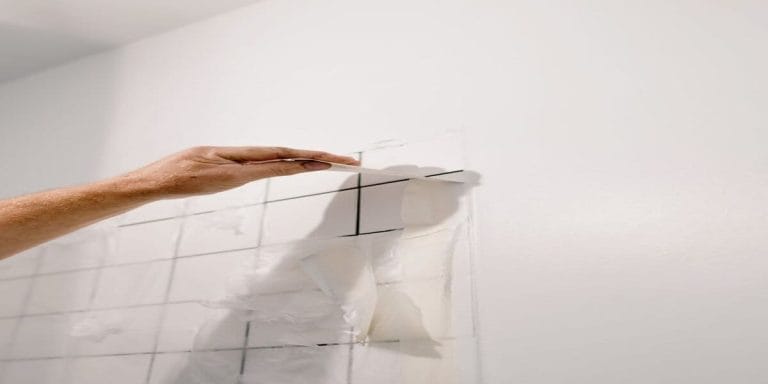
Drywall seams are covered with mesh tape and joint compound. When humidity fluctuates, the drywall panels expand and contract at different rates than the tape, causing the tape to bubble, crack, and separate from the wall. Once tape fails, the seam is exposed, allowing moisture to penetrate behind the drywall. This is one of the earliest visible signs of drywall problems in Florida.
2. Soft Spots and Delamination
Moisture absorption causes the gypsum core to soften and the paper layers to delaminate (separate from each other). When you press on the wall, it feels soft or spongy instead of firm. This indicates the drywall has lost structural integrity and should be replaced. Soft spots are especially common in bathrooms, kitchens, and areas near exterior walls.
3. Stress Cracks and Corner Cracks
Temperature cycling and humidity fluctuations cause drywall to expand and contract, stressing joints and corners. Cracks typically form along seams and at interior corners (where walls meet ceilings or other walls). Small cracks might be cosmetic, but large or growing cracks indicate structural stress requiring professional assessment.
4. Mold and Mildew Growth
Mold thrives on drywall in Florida’s humid climate. It appears as dark (black, green, or white) fuzzy spots on walls, especially in bathrooms, kitchens, and poorly ventilated areas. Mold is both a health hazard and a sign of moisture problems inside the wall. Visible mold usually means the problem extends deep into the wall cavity.
5. Peeling and Bubbling Paint
Paint bubbles and peels when moisture builds up under the paint film, forcing the paint away from the wall surface. This is often the earliest visible sign of moisture penetration. Peeling paint indicates that moisture has entered the drywall and the problem will escalate if not addressed quickly.
6. Water Stains and Discoloration
Yellow, brown, or gray stains on walls indicate current or past water intrusion. These stains show that water has saturated the drywall and possibly the framing behind it. Water stains near ceilings often indicate roof leaks or condensation problems. Stains near baseboards suggest foundation moisture or plumbing leaks.
7. Swollen or Bulging Walls
Severe moisture saturation causes drywall to absorb water and swell. Affected walls bow, bulge, or warp outward visibly. This is a critical problem indicating advanced deterioration and potential structural compromise. Swollen walls require immediate professional assessment and repair.
Where Drywall Problems Occur Most Frequently
Drywall problems aren’t random. Certain areas are more vulnerable due to exposure to moisture or extreme conditions:
Bathrooms (High-Humidity Zones)
Bathrooms generate constant steam and moisture from showers, sinks, and exhaust fans (if they work). Walls surrounding bathtubs and showers, and areas where exhaust fans vent, experience the most damage. Using exhaust fans properly and ensuring bathrooms dry quickly helps prevent problems.
Kitchens (Cooking Moisture)
Cooking releases steam that saturates kitchen drywall. Walls under and around windows, and those opposite cooking areas, are especially vulnerable. Proper range hood ventilation helps, but kitchens will always have some moisture exposure.
Exterior Walls (Direct Exposure)
Exterior walls are exposed to Florida’s weather directly. Rain penetration through failed roofs, flashing, or window seals, combined with high humidity and temperature cycling, causes rapid damage. Exterior wall problems often develop first.
Around Windows and Doors
Failed seals and poor caulking allow water to enter the wall cavity. Condensation on windows and window frames introduces moisture directly into surrounding drywall. These areas need regular inspection and maintenance.
Basements and Crawlspaces
Below-grade spaces have inherent moisture problems. Drywall in basements and crawlspaces is constantly exposed to ground moisture and humidity. If these spaces aren’t properly waterproofed and dehumidified, drywall deteriorates rapidly.
Prevention: Protecting Your Drywall from Florida’s Climate
Prevention is far more cost-effective than repair. Here’s how to protect drywall from Florida’s harsh conditions:
Control Interior Humidity
The EPA recommends maintaining indoor humidity between 30-50%. Use air conditioning to dehumidify, especially during summer. In problem areas, use standalone dehumidifiers. This is the most important preventive measure for protecting drywall.
Use Proper Ventilation
Run bathroom and kitchen exhaust fans during and for 30 minutes after use. Ensure fans are vented to the outside, not into the attic. Proper ventilation removes moisture before it saturates drywall.
Install Moisture-Resistant Drywall
When replacing drywall in bathrooms, kitchens, or other moisture-prone areas, use mold- and moisture-resistant drywall (often called “green board”). This costs only slightly more than standard drywall but resists moisture and mold much better.
Seal Cracks and Leaks
Inspect and caulk gaps around windows, doors, and penetrations. Address plumbing leaks immediately. Fix roof leaks promptly. Water intrusion is often the culprit behind drywall damage.
Maintain Your Air Conditioning
Regular AC maintenance (changing filters, professional tune-ups) keeps your system efficient at dehumidifying your home. A failing AC system allows humidity to climb, creating ideal conditions for drywall damage and mold growth.
Repairing Drywall Problems
The appropriate repair depends on the severity and nature of the damage:
Small Cracks and Tape Separation
Small cracks and peeling tape can be repaired by removing the damaged tape, re-mudding the seam, sanding, and repainting. This is a simple fix that prevents moisture from entering the wall cavity. Caught early, tape separation costs $50-$200 to repair.
Peeling Paint and Surface Stains
For minor surface damage, clean the area, ensure it’s dry, address the moisture source, apply primer, and repaint. This works only if the drywall itself is still firm. If the wall feels soft, drywall replacement is necessary.
Large Damaged Sections
For soft spots, significant mold, or large water damage areas, the affected drywall must be removed and replaced. This involves cutting out the damaged section, allowing the wall cavity to dry completely (often requiring fans and dehumidifiers for days), installing new moisture-resistant drywall, taping and mudding seams, and painting.
Cost of Drywall Repair vs. Prevention
The economics of drywall care are clear: small repairs cost far less than large replacement projects:
| Repair Type | Cost Range | Prevention Cost |
|---|---|---|
| Tape repair (seam separation) | $50–$200 | Proper humidity control (free) |
| Paint and primer (surface damage) | $150–$400 | Exhaust fan use, address leaks |
| Small section replacement (4×8) | $300–$800 | Moisture-resistant drywall upgrade ($50 more) |
| Large section replacement (room) | $1,500–$4,000+ | Regular HVAC maintenance ($150-$300/year) |
| Mold remediation | $500–$5,000+ | Dehumidification, ventilation |
Frequently Asked Questions About Florida Drywall Problems
What’s the difference between mold on drywall and mold stains?
Mold is active microbial growth (usually fuzzy, dark, and present). Mold stains are discoloration from past mold or water damage but may not indicate active growth. Both are warning signs and require investigation. If you see fuzzy growth, it’s active mold requiring remediation.
Can drywall damage affect my home’s resale value?
Yes. Visible drywall damage, mold, or signs of water intrusion are red flags for home inspectors and buyers. Significant drywall damage can reduce home value by 5-20% or prevent sale altogether. Addressing problems before listing is critical.
Is it safe to live in a home with mold-damaged drywall?
Active mold growth on drywall poses health risks, especially for people with respiratory conditions or compromised immune systems. The mold releases spores that can cause allergies, asthma attacks, and other respiratory problems. Mold-damaged drywall should be remediated promptly.
What humidity level is safe for drywall?
The EPA recommends maintaining indoor humidity between 30-50% to protect building materials and prevent mold. Above 60%, mold and mildew growth accelerates rapidly. In Florida, this requires active air conditioning and sometimes additional dehumidification.
Should I use standard or moisture-resistant drywall?
In Florida, always use moisture-resistant drywall in bathrooms, kitchens, laundry rooms, and basements. The cost difference is minimal ($1-2 per sheet) compared to the expense of replacing mold-damaged standard drywall later.
What’s the best way to prevent drywall problems?
Control indoor humidity through air conditioning, use exhaust fans properly, maintain your AC system, caulk leaks around windows and doors, fix plumbing and roof leaks promptly, and use moisture-resistant drywall in susceptible areas. These preventive measures are far cheaper than repairs.
Having Drywall Problems? We Can Help
Our team specializes in drywall repair and replacement in Tampa Bay homes. Whether you’re dealing with small cracks, tape separation, or extensive water damage, we can assess the problem and recommend the best solution. Don’t let drywall damage escalate — contact us for a free evaluation.
Related Articles
Humidity Damage to Interior Walls in Florida
Understanding and preventing moisture damage to walls from Florida’s high humidity.
How to Handle Water Damage in Your Florida Home
Emergency response and restoration for water damage in Florida homes.
How to Maintain Your Home’s Value in Florida’s Climate
Preventive maintenance strategies for protecting your home investment.
Bathroom Updates Without a Full Renovation
Cost-effective bathroom upgrades for Florida homes.
Exterior Caulk and Sealing for Weather Protection
Weatherproofing strategies to protect from humidity and water damage.
Screen Enclosure Repair in Florida
Repair and maintenance for Florida screen enclosures.
Our Services
Serving These Areas
Apollo Beach Bloomingdale Brandon Carrollwood Cheval Citrus Park Dover Egypt Lake-Leto FishHawk Gibsonton Lake Magdalene Lithia Lutz Mango Palm River-Clair Mel Plant City Riverview Ruskin Seffner Sun City Center Tampa Temple Terrace Thonotosassa Town ‘N’ Country Valrico Westchase Wimauma